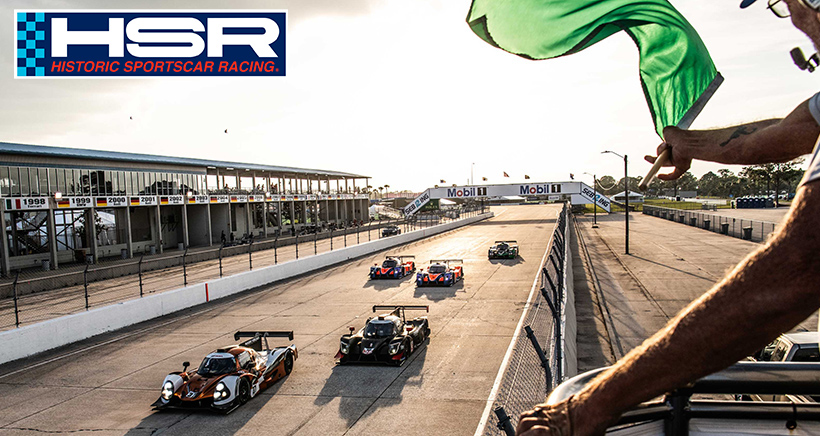
 HSR Creates New Platform for LMP3After Successful First Event, Increased Field Expected for The Mitty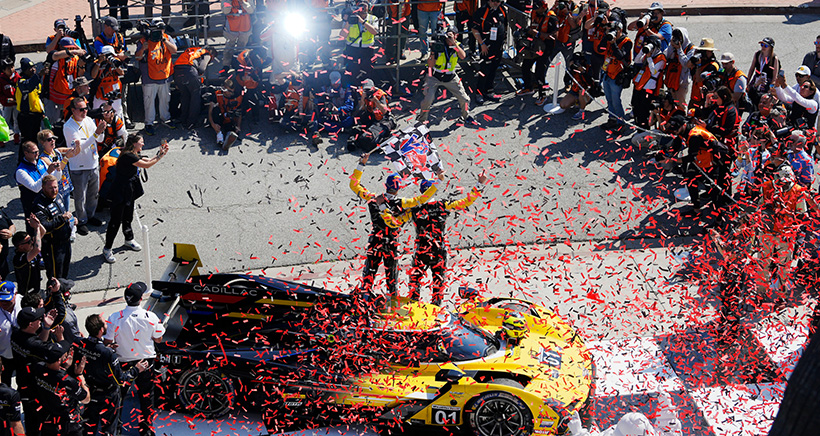
 Three Takeaways: Acura Grand Prix of Long BeachA Closer Look at the Fallout from the Street Course Battle
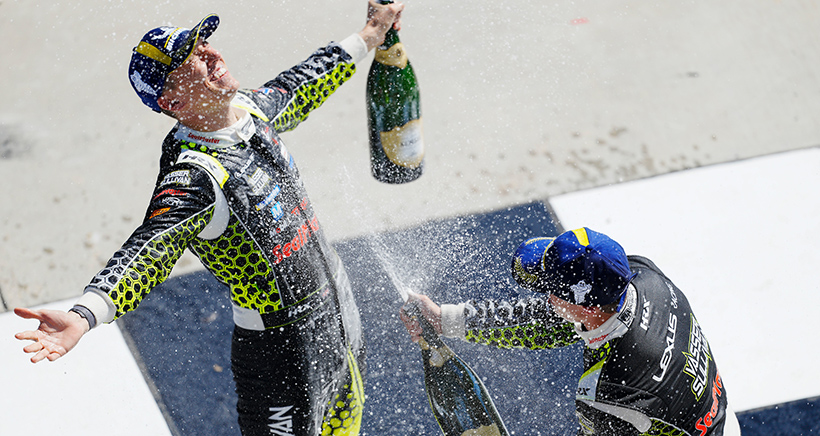 Check Out Long Beach Street Course Race Results and Point Standings Here!See How Your Favorite Team and Drivers Fared During the Acura Grand Prix of Long Beach
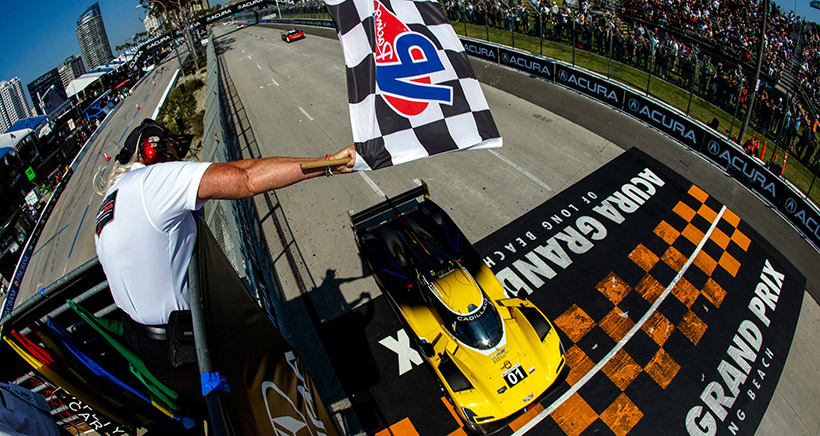 Single-Set Tire Run Propels No. 01 Cadillac to Acura Grand Prix of Long Beach VictoryCadillac Claims Sixth Long Beach Overall Win in Last Seven Outings
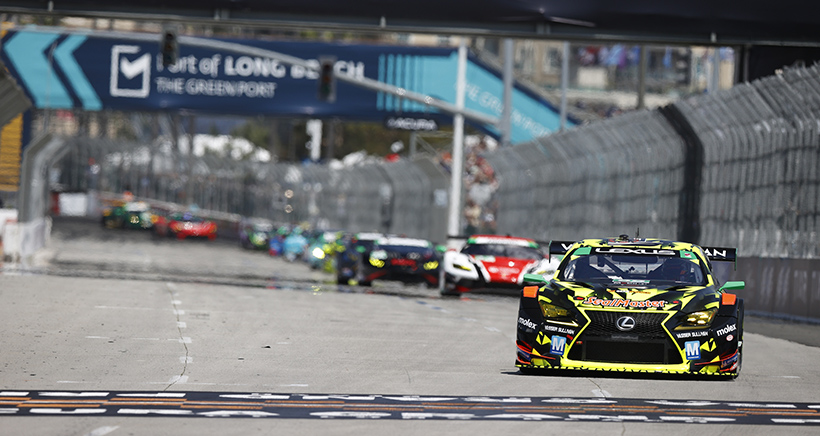 ‘89’ Is Prime for Lexus at Acura Grand Prix of Long BeachManufacturer Celebrates 35-Year U.S. Heritage with GTD Win
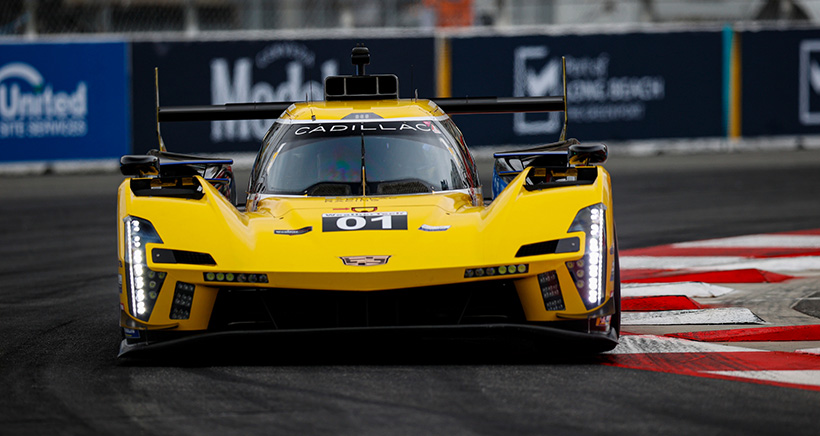 No. 01 Cadillac Captures Long Beach Win with Familiar Tire StrategySebastien Bourdais and Renger van der Zande Triumph Using a Single Set of Tires in the 100-Minute Sprint
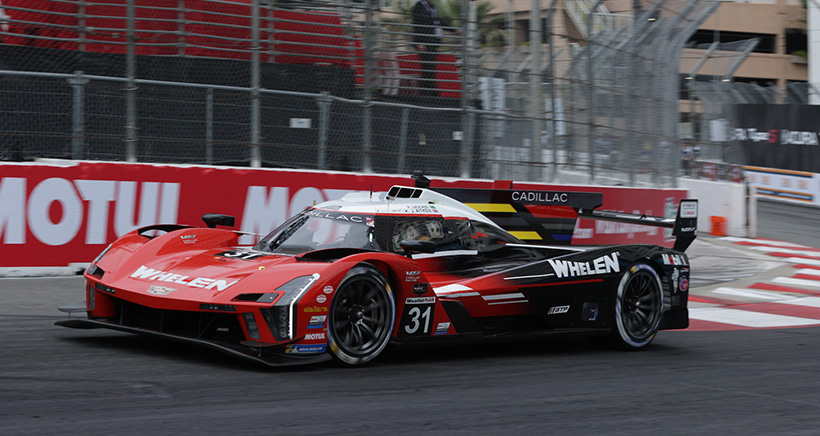 Derani Delivers Third Consecutive Motul Pole Award of Season at Long BeachNo. 31 Cadillac Driver Recovers from Quick Run-In at Turn 9 to Ensure Top Spot on Grid
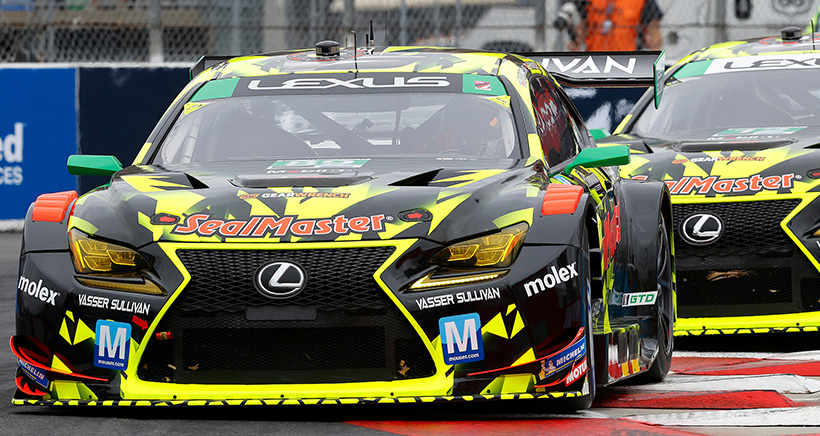 Thompson Leads Lexus Beach Party in Long Beach GTD QualifyingManufacturer Qualifies 1-2 While Celebrating U.S. Legacy
- HSR Creates New Platform for LMP3
- Three Takeaways: Acura Grand Prix of Long Beach
- Check Out Long Beach Street Course Race Results and Point Standings Here!
- Single-Set Tire Run Propels No. 01 Cadillac to Acura Grand Prix of Long Beach Victory
- ‘89’ Is Prime for Lexus at Acura Grand Prix of Long Beach
- No. 01 Cadillac Captures Long Beach Win with Familiar Tire Strategy
- Derani Delivers Third Consecutive Motul Pole Award of Season at Long Beach
- Thompson Leads Lexus Beach Party in Long Beach GTD Qualifying

Race Weekend Countdown

May 10 - May 12
2024 Motul Course de Monterey
WeatherTech Raceway Laguna Seca | Monterey, CA
Race Weekend Schedule
<
Friday, May 10, 2024
Saturday, May 11, 2024
Sunday, May 12, 2024
 Practice 1 - Mazda MX-5 Cup11:30 am ET to 12:10 pm ET
 Practice 1 - Lamborghini Super Trofeo12:25 pm ET to 1:10 pm ET
 Practice 1 - Michelin Pilot Challenge1:25 pm ET to 2:25 pm ETPractice 2 - Mazda MX-5 Cup3:25 pm ET to 3:55 pm ETPractice 1 - WeatherTech Championship4:15 pm ET to 5:45 pm ETPractice 2 - Lamborghini Super Trofeo6:05 pm ET to 6:50 pm ETPractice 2 - Michelin Pilot Challenge7:05 pm ET to 8:05 pm ETQualifying - Mazda MX-5 Cup8:20 pm ET to 8:40 pm ETQualifying - Michelin Pilot Challenge11:20 am ET to 11:55 am ETPractice 2 - WeatherTech Championship12:15 pm ET to 1:45 pm ETQualifying 1 - Lamborghini Super Trofeo2:05 pm ET to 2:20 pm ETQualifying 2 - Lamborghini Super Trofeo2:25 pm ET to 2:40 pm ETRace 1 of 2 - Mazda MX-5 Cup2:55 pm ET to 3:40 pm ETWeatherTech Raceway Laguna Seca 1205:00 pm ET to 7:00 pm ETQualifying - WeatherTech Championship7:35 pm ET to 8:15 pm ETRace 1 of 2 - Lamborghini Super Trofeo8:40 pm ET to 9:30 pm ETRace 2 of 2 - Mazda MX-5 Cup11:35 am ET to 12:20 pm ETRace 2 of 2 - Lamborghini Super Trofeo12:40 pm ET to 1:30 pm ETMOTUL Course de Monterey Powered by Hyundai N3:10 pm ET to 5:50 pm ET









IMSA ON TV
WEATHERTECH SPORTSCAR CHAMPIONSHIP
IMSA MICHELIN PILOT CHALLENGE
IMSA VP RACING SPORTSCAR CHALLENGE
LAMBORGHINI
PORSCHE CARRERA CUP NORTH AMERICA
MAZDA MX-5 CUP
MUSTANG CHALLENGE
Upcoming Events


Race 1 of 2 - Porsche Carrera Cup
Saturday | May 4
5:45 pm to 6:35 pm ET
Race 2 of 2 - Porsche Carrera Cup
Sunday | May 5
10:25 am to 11:15 am ET
WeatherTech Raceway Laguna Seca 120
Saturday | May 11
4:55 pm to 7:00 pm ET
WeatherTech Championship Qualifying
Saturday | May 11
7:30 pm to 8:15 pm ET
Race 1 of 2 - Lamborghini Super Trofeo
Saturday | May 11
8:35 pm to 9:30 pm ET
Race 2 of 2 - Lamborghini Super Trofeo
Sunday | May 12
12:35 pm to 1:30 pm ET

MOTUL Course de Monterey Powered by Hyundai N
Sunday | May 12
3:00 pm to 6:00 pm ET
MOTUL Course de Monterey Powered by Hyundai N
Sunday | May 12
3:00 pm to 6:00 pm ET

Lamborghini Super Trofeo At WeatherTech Raceway Laguna Seca
Saturday | May 18
12:00 pm to 1:00 pm ET
WeatherTech Raceway Laguna Seca 120
Saturday | May 18
1:00 pm to 3:00 pm ET
WeatherTech Championship Qualifying
Friday | May 31
4:50 pm to 5:35 pm ET

Detroit Grand Prix
Saturday | June 1
3:00 pm to 5:00 pm ET
Detroit Grand Prix
Saturday | June 1
3:00 pm to 5:00 pm ET
Race 1 of 2 - VP Racing SportsCar Challenge
Saturday | June 8
1:10 pm to 2:00 pm ET
Race 2 of 2 - VP Racing SportsCar Challenge
Sunday | June 9
8:10 am to 9:00 am ET
O'Reilly Auto Parts Four Hours of Mid-Ohio
Sunday | June 9
12:20 pm to 4:30 pm ET
VP Racing SportsCar Challenge At Mid-Ohio
Saturday | June 15
12:00 pm to 1:00 pm ET
O'Reilly Auto Parts Four Hours of Mid-Ohio
Saturday | June 15
1:00 pm to 3:00 pm ET
Race 1 of 2 - Porsche Carrera Cup
Friday | June 21
3:10 pm to 3:55 pm ET
Race 1 of 2 - Lamborghini Super Trofeo
Saturday | June 22
7:55 am to 8:50 am ET
Race 2 of 2 - Porsche Carrera Cup
Saturday | June 22
10:55 am to 11:40 am ET
The Esses 120 At Watkins Glen
Saturday | June 22
12:50 pm to 3:00 pm ET
WeatherTech Championship Qualifying
Saturday | June 22
3:25 pm to 4:30 pm ET
Race 2 of 2 - Lamborghini Super Trofeo
Sunday | June 23
8:35 am to 9:30 am ET
Sahlen's Six Hours of The Glen
Sunday | June 23
11:00 am to 5:30 pm ET
Sahlen's Six Hours of The Glen
Sunday | June 23
11:00 am to 2:00 pm ET
The Esses 120 At Watkins Glen
Saturday | June 29
11:00 am to 1:00 pm ET
Lamborghini Super Trofeo At Watkins Glen
Sunday | June 30
12:00 pm to 1:00 pm ET
Race 1 of 2 - VP Racing SportsCar Challenge
Saturday | July 13
11:15 am to 12:05 pm ET
Canadian Tire Motorsport Park 120
Saturday | July 13
1:20 pm to 4:25 pm ET
WeatherTech Championship Qualifying
Saturday | July 13
3:55 pm to 4:40 pm ET
Chevrolet Grand Prix
Sunday | July 14
11:00 am to 2:00 pm ET
Chevrolet Grand Prix
Sunday | July 14
11:00 am to 2:00 pm ET
Race 2 of 2 - VP Racing SportsCar Challenge
Sunday | July 14
2:25 pm to 3:15 pm ET
VP Racing SportsCar Challenge At CTMP
Saturday | July 20
12:00 pm to 1:00 pm ET
Canadian Tire Motorsport Park 120
Saturday | July 20
1:00 pm to 3:00 pm ET
Road America 120
Saturday | August 3
2:40 pm to 4:45 pm ET
WeatherTech Championship Qualifying
Saturday | August 3
5:15 pm to 6:25 pm ET
IMSA SportsCar Weekend
Sunday | August 4
3:00 pm to 6:00 pm ET
IMSA SportsCar Weekend (Encore)
Sunday | August 4
6:00 pm to 9:00 pm ET
Road America 120
Sunday | August 11
1:00 pm to 3:00 pm ET
Race 1 of 2 - VP Racing SportsCar Challenge
Saturday | August 24
12:15 pm to 1:05 pm ET
Virginia Is For Racing Lovers Grand Prix
Saturday | August 24
2:10 pm to 4:15 pm ET
WeatherTech Championship Qualifying
Saturday | August 24
4:45 pm to 5:05 pm ET
Race 2 of 2 - VP Racing SportsCar Challenge
Sunday | August 25
8:35 am to 9:25 am ET
Michelin GT Challenge At VIR
Sunday | August 25
12:00 pm to 3:00 pm ET
Michelin GT Challenge at VIR
Sunday | August 25
12:00 pm to 3:00 pm ET
VP Racing SportsCar Challenge At VIR
Saturday | September 14
11:00 am to 12:00 pm ET
Virginia Is For Racing Lovers Grand Prix
Saturday | September 14
12:00 pm to 2:00 pm ET
Race 1 of 2 - Lamborghini Super Trofeo
Friday | September 20
3:55 pm to 4:50 pm ET
Indianapolis Motor Speedway 120
Saturday | September 21
1:00 pm to 3:05 pm ET
WeatherTech Championship Qualifying
Saturday | September 21
3:35 pm to 4:45 pm ET
Race 2 of 2 - Lamborghini Super Trofeo
Sunday | September 22
9:00 am to 9:55 am ET
TireRack.com Battle on the Bricks
Sunday | September 22
11:30 am to 6:00 pm ET
TireRack.com Battle on the Bricks
Sunday | September 22
3:00 pm to 6:00 pm ET
Lamborghini Super Trofeo At Indianapolis Motor Speedway
Sunday | September 29
12:00 pm to 1:00 pm ET
Indianapolis Motor Speedway 120
Sunday | September 29
1:00 pm to 3:00 pm ET
Race 1 of 2 - VP Racing SportsCar Challenge
Thursday | October 10
1:05 pm to 1:55 pm ET
Race 2 of 2 - VP Racing SportsCar Challenge
Friday | October 11
7:55 am to 8:45 am ET
Fox Factory 120
Friday | October 11
11:55 am to 2:00 pm ET
WeatherTech Championship Qualifying
Friday | October 11
2:35 pm to 3:45 pm ET
MOTUL Petit Le Mans
Saturday | October 12
11:30 am to 11:10 pm ET
MOTUL Petit Le Mans
Saturday | October 12
11:30 am to 3:00 pm ET
MOTUL Petit Le Mans
Saturday | October 12
12:00 pm to 10:30 pm ET
MOTUL Petit Le Mans
Saturday | October 12
3:30 pm to 6:00 pm ET
MOTUL Petit Le Mans
Saturday | October 12
6:00 pm to 8:00 pm ET
VP Racing SportsCar Challenge At Road Atlanta
Saturday | October 19
12:00 pm to 1:00 pm ET
Fox Factory 120
Saturday | October 19
1:00 pm to 3:00 pm ET